Evaluation of human aging and rejuvenation by using artificial intelligence and direct neuronal reprogramming
– 2024.10.11: Nyertes pályázat, elindul a HUN-REN-SZTAKI-SEMegfiatalodás kutatócsoport
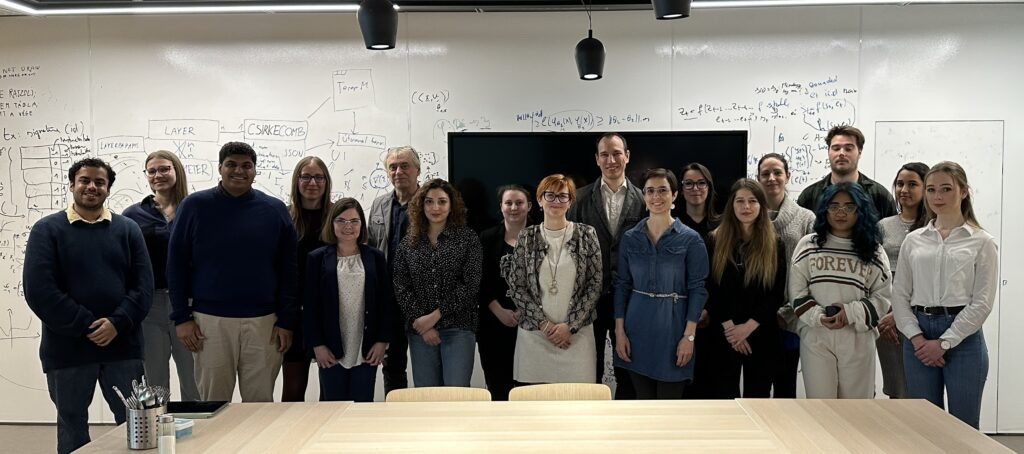
– 2025.03.21: Kickoff meeting of HUN-REN-SZTAKI-SU Rejuvenation Group
– 2025.03.13: Publikációs díjas előadás
– 2025.03.25: Unistem Nap
– 2025.04.14: Kolozsvári Biológus napok
– 2025.05.12: AI Symposium poszterek, előadás
– 2025.06.10: Publikáció az Aging Cell-ben
– 2025.09.01: ARDD Koppenhága konferencia
– 2025.09.01: Publication in Advanced Science (D1) journal
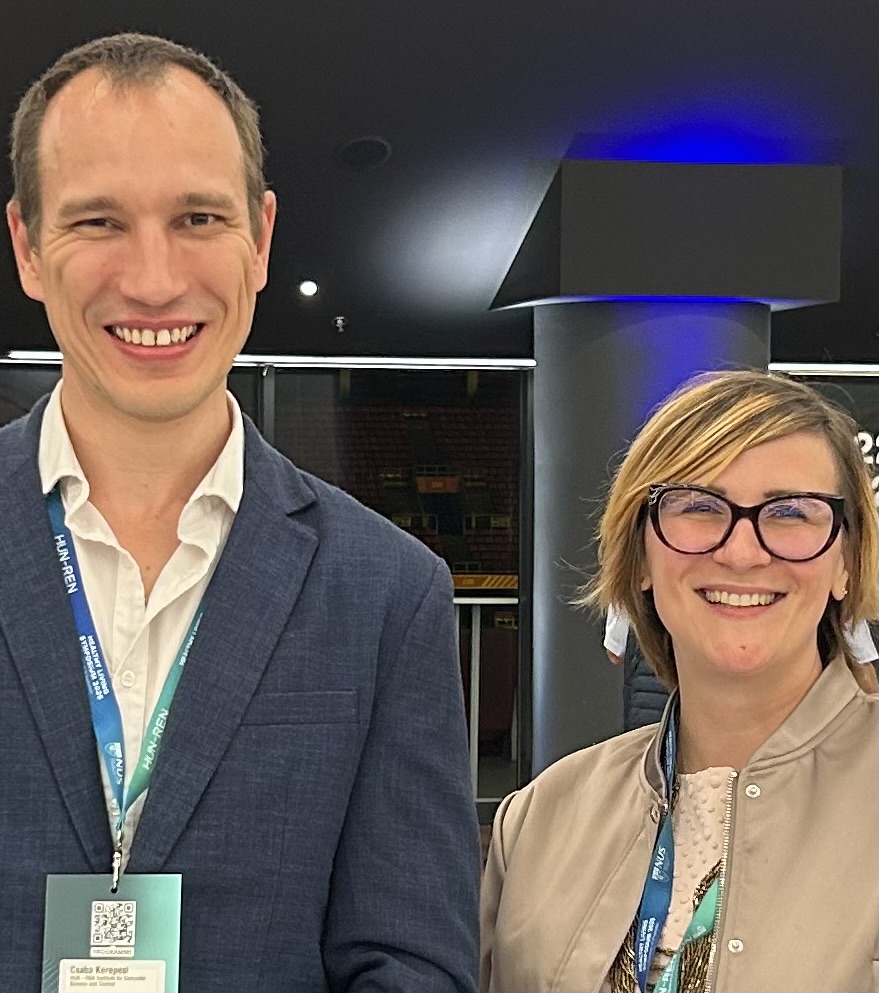
– 2025.09.22: HUN-REN Healthy Living Symposium
– 2025.10.6: Biomarkers of Aging Conference Harvard, Boston, USA
– 2025.10.29: Előadás a szingapúri egyetemen
– 2025.11.12. Miskolci Egyetem MTA200 előadás
– 2025.11.19: Forbes Health Summit
– 2026.01.08. MTA 200 Ünnepi előadás
– 2026.01.29. International Neuroscience Conference Symposium rendezés és előadások
– 2026.02.02. HVG interjú és cikk
– 2026.02.23. Kerepesi Csaba interview az M5 Novum műsorában (10:54-től)
Aging has a major impact on health, economy, and society, but why and how human aging occurs is still poorly understood. Until now, it has not been possible to measure the aging process with the precision that can be used for further downstream applications. The recently developed aging clocks, i.e., artificial intelligence models that predict the age of an individual, emerged as promising tools for measuring the aging process. One of the most important applications of aging clocks is the evaluation and validation of potential rejuvenation treatments. So far, most of the rejuvenation treatments have been tested in rodents (rats and mice). The HUN-REN-SZTAKI-SU Rejuvenation Research Group, led by Dr. Csaba Kerepesi and Dr. Karolina Pircs, is testing whether young neurons or their environment rejuvenate old human neurons by using induced neurons directly reprogrammed from human dermal fibroblasts. Induced neurons uniquely keep the genetic and the aging signatures of the donor, bypassing any stem cell phase or dedifferentiation during the reprogramming process. In this project, we are exposing old donor-derived induced neurons to a young neuronal milieu and conducting different omics measurements. In the meantime, we are developing specific aging clocks for evaluating the potential rejuvenation of the cells. Our findings will reveal molecular mechanisms behind age-related decline in human neurons and can be the first milestone to discover novel treatments that could maintain or even restore neuronal youth and health, potentially delaying or preventing yet uncurable age-related neurodegenerative disorders.